
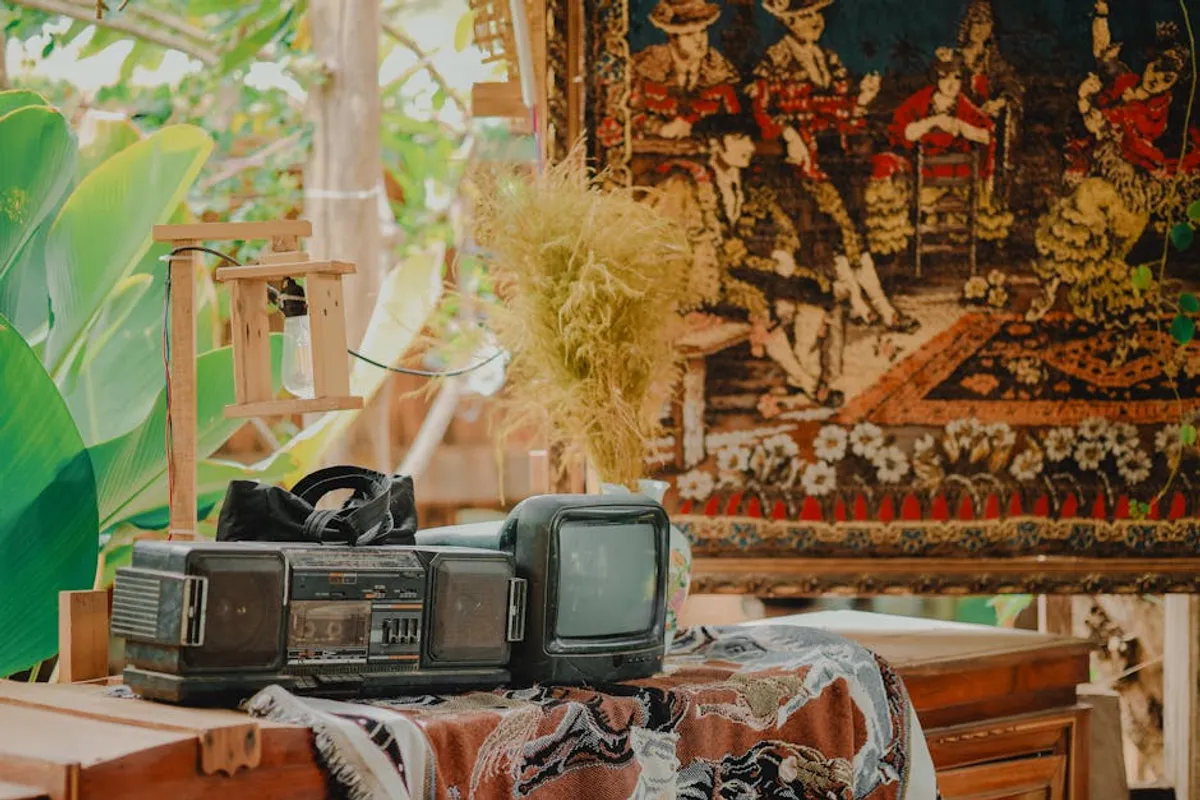
Integrating vintage decor into a modern home presents a distinct opportunity to infuse spaces with character, history, and a level of craftsmanship often absent in contemporary mass-produced items. The challenge lies not in simply acquiring old pieces, but in strategically selecting and positioning them to complement, rather than clash with, a modern aesthetic. This approach elevates a home beyond mere trends, creating environments that feel both current and deeply personal. The goal is to achieve a curated look where each vintage element contributes to a cohesive, sophisticated narrative, avoiding the pitfalls of a cluttered or dated appearance.
Strategic Placement of Vintage Furniture
Vintage furniture offers durability and unique design, serving as anchor pieces that define a room's personality. The key is to select items with clean lines or distinctive forms that can stand alone or blend seamlessly.
Statement Seating as Focal Points
A single vintage armchair or sofa, particularly from mid-century modern, Art Deco, or even early 20th-century Scandinavian design, can act as a powerful focal point. Its unique silhouette, original upholstery (or carefully chosen re-upholstery), and material quality immediately draw the eye. Pair a classic Danish teak armchair with a minimalist sofa to introduce warmth and a touch of organic form without overwhelming the modern clean lines. The patina of aged wood or the rich texture of a vintage fabric offers a tactile contrast to smoother, newer surfaces.
Best for: Living rooms, studies, or reading nooks seeking a singular, impactful piece that commands attention.
Functional Vintage Storage Pieces
Sideboards, credenzas, and display cabinets from eras like mid-century modern (1950s-1970s) or even earlier Arts and Crafts periods provide practical storage while contributing significant aesthetic value. A long, low teak credenza, for instance, offers ample storage for media equipment or dinnerware, its warm wood tones and minimalist design harmonizing with contemporary interiors. Similarly, a well-preserved barrister bookcase can add intellectual charm and vertical interest to a modern office or living area. These pieces are often built with superior joinery and solid wood, ensuring longevity.
Best for: Dining rooms, living areas, or home offices requiring storage with inherent design integrity.
Integrating Dining and Accent Tables
A vintage dining table, especially one with a striking base or a unique wood grain, can become the heart of a modern dining space. Consider a Saarinen Tulip table for its iconic form, or a sturdy farm table for rustic contrast. Accent tables – side tables, coffee tables – are easier to integrate due to their smaller scale. A vintage marble-topped side table or a brass and glass coffee table from the 1970s can add a layer of sophistication and material richness without dominating the room. Their distinct materials and forms provide visual interest against plainer, modern upholstery.
Best for: Introducing material diversity and sculptural elements into living and dining spaces.
Layering with Vintage Textiles and Soft Furnishings
Textiles offer a less permanent, more adaptable way to introduce vintage charm. They soften hard edges, add texture, and introduce color palettes that might otherwise feel out of place in a strictly modern scheme.
Vintage rugs, particularly Persian, Turkish, or Moroccan varieties, are excellent for grounding a room. Their intricate patterns and often faded, rich colors provide a visual anchor, contrasting beautifully with polished concrete floors or simple wood planks. A well-worn rug tells a story and adds immediate warmth and depth. Similarly, vintage throw blankets or cushions, perhaps made from kilim, velvet, or embroidered linen, can be strategically placed on modern sofas or beds to add layers of texture and visual interest. These smaller pieces allow for experimentation without a significant commitment.
Best for: Enhancing comfort, adding color and pattern, and defining zones within open-plan modern spaces.
Curating Character with Vintage Art and Objects
Decorative objects and art are where personal expression truly shines. Vintage finds in this category range from abstract paintings to ceramic vases, each offering a unique narrative.
A large-scale vintage landscape painting, even one with a traditional subject, can feel fresh when hung on a stark white wall in a modern frame. The contrast between the historical subject and contemporary presentation creates an engaging tension. Sculptural objects, such as a mid-century ceramic vase, a brutalist metal sculpture, or even a collection of antique globes, can serve as compelling decorative accents on shelves, mantels, or side tables. The key is thoughtful curation: fewer, more impactful pieces are generally more effective than a multitude of small items, which can lead to clutter.
Pro Tip: When integrating multiple vintage pieces, ensure they share a common thread—be it color palette, material, or a specific design era. This creates visual harmony and prevents the space from feeling like a random collection of items. Avoid the "museum effect" by selecting pieces that are functional or truly unique, rather than merely old.
Illuminating Spaces with Period Lighting
Vintage lighting fixtures are often overlooked but can be transformative. They provide both ambient and task lighting while acting as sculptural elements.
A Sputnik chandelier from the 1960s, an Art Deco table lamp with a geometric base, or an industrial-style floor lamp can instantly elevate a room. These fixtures often feature distinctive materials like brass, chrome, or colored glass, and their unique designs can introduce a dramatic focal point. The quality of light emitted from older fixtures can also differ, often casting a warmer, more inviting glow than some modern counterparts. Ensure all wiring is updated for safety and functionality, maintaining the original aesthetic where possible.
Best for: Adding sculptural interest, defining zones, and creating specific moods through unique light sources.
The Art of Sourcing and Integrating Vintage Finds
Successful integration begins with careful sourcing. Look for pieces that are well-constructed and in reasonable condition, or those that have the potential for restoration. Consider the scale of the piece relative to your modern space; an oversized vintage armoire might overwhelm a small room, while a delicate side table could be lost in a large, open-plan area.
When selecting, prioritize authenticity and craftsmanship. Avoid pieces that are merely "distressed" to look old; genuine patina and wear tell a story and add depth. Consider the material palette of your existing modern home. Warm woods, natural fibers, and metallic accents often blend well with contemporary materials like glass, steel, and concrete. The contrast creates visual richness.
Vintage Styles That Harmonize with Modern Aesthetics
- Mid-Century Modern (1940s-1970s): Characterized by clean lines, organic shapes, and functional design, often in teak, walnut, and sometimes bright upholstery. Blends seamlessly due to its inherent modernity.
- Art Deco (1920s-1930s): Known for geometric patterns, rich colors, and luxurious materials like chrome, glass, and exotic woods. Adds glamour and structure.
- Industrial (late 19th-early 20th century): Features raw materials like metal, wood, and exposed mechanisms. Provides a rugged, utilitarian contrast to sleek modernism.
- Scandinavian Modern (1950s-1960s): Emphasizes simplicity, minimalism, and functionality with light woods and neutral palettes. Integrates effortlessly with contemporary minimalism.
- Bohemian/Global (various eras): Incorporates textiles, patterns, and handcrafted items from around the world. Adds warmth, texture, and a well-traveled feel.
Balancing Eras: Modernity Meets History
The essence of successful vintage integration lies in balance. A good rule of thumb is to allow modern elements to dominate, with vintage pieces acting as deliberate, well-chosen accents. This prevents the space from feeling like a period room or an antique shop. Consider a 70/30 or 80/20 split, where the majority is modern, and the minority introduces historical depth.
Use color and texture to create cohesion. If your modern home features a neutral palette, a vintage rug with muted tones or a piece of furniture in a complementary wood tone can tie the room together. Conversely, a vibrant vintage piece can act as a pop of color in an otherwise monochromatic modern setting. The interplay between old and new should feel intentional and harmonious, creating a dialogue between different design philosophies.
Curating Your Collection for Lasting Appeal
Building a collection of vintage decor is an ongoing process that reflects personal taste and evolving design sensibilities. Rather than buying out of necessity, approach it as a thoughtful hunt for pieces that resonate with you and enhance your living space. Each item should earn its place, contributing to the overall aesthetic and functionality of your modern home. This approach ensures that your home remains a dynamic, evolving reflection of your unique style, imbued with stories and character that mass-produced items simply cannot replicate.
Frequently Asked Questions
How do I start integrating vintage pieces without making my home look old?
Begin with one or two significant vintage pieces, like a statement armchair or a credenza, and position them against a modern backdrop. Focus on pieces with clean lines or unique sculptural forms that can stand alone. Use modern accessories and a consistent color palette to maintain a contemporary feel.
What are the best places to find quality vintage decor?
Estate sales, antique markets, specialized vintage furniture stores, and online marketplaces (like 1stDibs or Chairish for higher-end, or Etsy and local classifieds for more accessible options) are excellent starting points. Look for pieces with good bones that may only require minor restoration.
Should I restore vintage furniture, or leave it as is?
This depends on the piece and your aesthetic preference. Minor wear and patina often add character and value. However, structural damage, unsafe wiring in lighting, or severely damaged upholstery should be addressed by a professional to ensure safety and longevity. Balance preserving authenticity with ensuring functionality and safety.
How much vintage decor is too much in a modern home?
Aim for a curated balance, typically with vintage items comprising 20-30% of your decor. The majority of your space should maintain its modern foundation. This ratio allows vintage pieces to stand out as unique accents rather than overwhelming the contemporary aesthetic, creating a dialogue between eras.