The market for traditional attire, particularly the kebaya, presents a distinct commercial opportunity for brands and content creators. Focusing on "model kebaya cantik dan elegan"—beautiful and elegant kebaya styles—allows for strategic positioning within a segment that values both aesthetic appeal and cultural relevance. This guide outlines the key style differentiators, market trends, and content approaches necessary to effectively engage consumers and drive commercial success in this niche.
Deconstructing "Cantik dan Elegan": Core Aesthetics and Market Appeal
Understanding the nuances of "cantik" (beautiful) and "elegan" (elegant) is fundamental for any brand targeting the kebaya market. These terms are not merely subjective descriptors; they represent specific design principles, material choices, and consumer expectations that influence purchasing decisions and content engagement.
The Allure of "Cantik": Design Elements and Consumer Preference
"Cantik" in kebaya design often translates to intricate detailing, vibrant color palettes, and contemporary silhouettes that flatter the wearer. For marketers, this means showcasing designs that feature:
- Intricate Embroidery: Delicate floral or geometric patterns that add visual depth.
- Lace and Brocade: Materials known for their rich textures and luxurious appearance.
- Modern Cuts: Tailored fits, peplum details, or asymmetrical hemlines that update traditional forms.
- Color Vibrancy: Palettes that range from soft pastels to bold, eye-catching hues, often reflecting current fashion trends.
Content strategies should emphasize close-up shots of embellishments and dynamic imagery that highlights the garment's flow and fit, appealing directly to the consumer's desire for visually striking and flattering attire.
Defining "Elegan": Materiality and Occasion-Specific Styling
"Elegan" points to sophistication, quality, and appropriateness for formal or semi-formal occasions. This often involves:
- Premium Fabrics: Silk, high-quality brocade, French lace, or fine tulle that drape well and possess a luxurious handfeel.
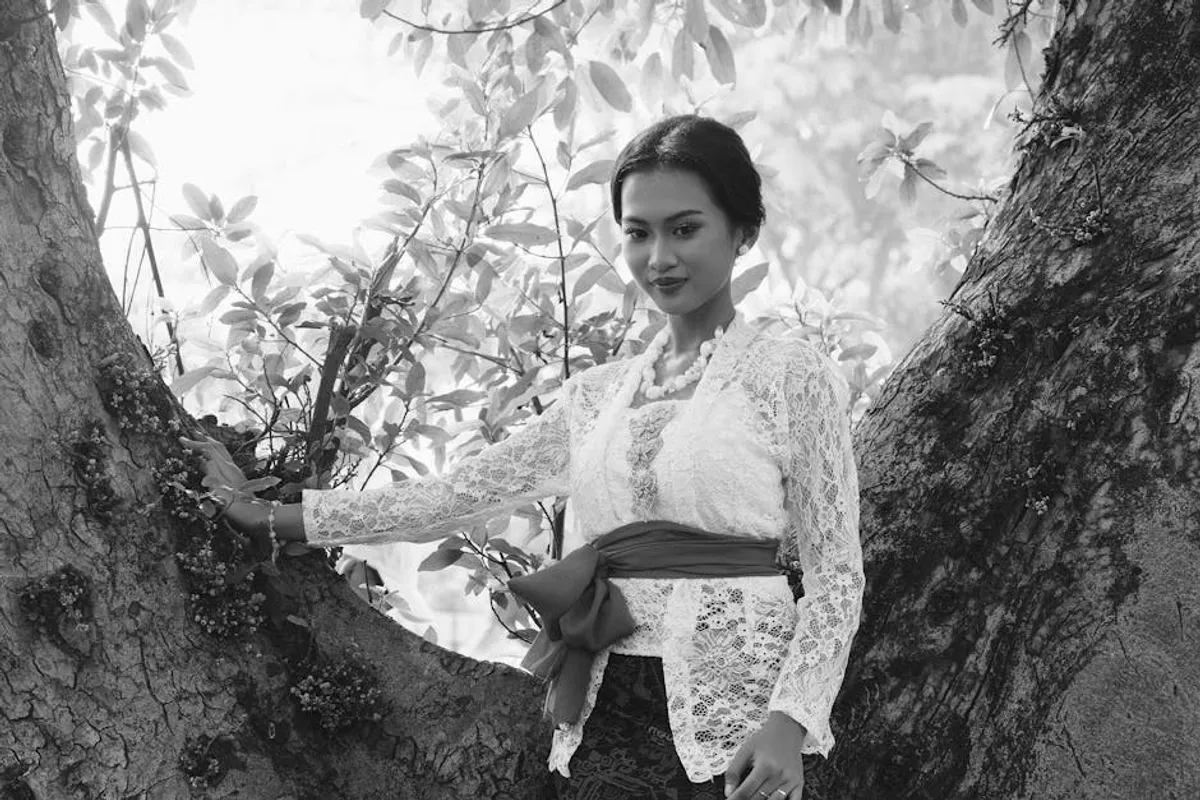
- Refined Silhouettes: Classic cuts like the Kartini or Kutubaru, often with a more subdued color palette or monochromatic schemes.
- Subtle Embellishments: Beading or sequin work that enhances rather than overwhelms the design.
- Cohesive Styling: The complete look, including the choice of skirt (batik or songket), accessories, and footwear, contributes to the overall elegant impression.
For brands, highlighting the craftsmanship, material quality, and versatility for various formal events (weddings, galas, official ceremonies) reinforces the "elegan" perception and justifies premium pricing.
Key Kebaya Styles and Their Market Segments
The kebaya market is segmented by style, each appealing to different consumer needs and occasions. Understanding these categories is crucial for targeted product development and marketing campaigns.
Modern Kebaya: This category emphasizes contemporary cuts, often incorporating elements like peplum, bell sleeves, or minimalist designs.
Best for: Younger demographics, semi-formal events, and those seeking a fusion of tradition with modern fashion. Marketing should focus on versatility and trend alignment.
Kebaya Brokat: Characterized by its rich, patterned fabric, brocade kebaya conveys opulence and tradition.
Best for: Formal events, bridal wear, and consumers who appreciate classic luxury. Content should highlight the fabric's intricate patterns and inherent richness.
Kebaya Tulle: Featuring sheer, often embroidered tulle overlays, this style offers a delicate and romantic aesthetic.
Best for: Engagements, bridesmaids, and those desiring a lighter, more ethereal look. Visuals should emphasize layering and intricate lace details.
Traditional Kebaya Forms (e.g., Kartini, Kutubaru): These styles adhere closely to historical designs, often reflecting regional cultural heritage.
Best for: Cultural events, formal ceremonies, and consumers seeking authenticity and heritage pieces. Marketing should underscore cultural significance and artisanal craftsmanship.
Pro Tip: When analyzing market demand for specific kebaya styles, monitor search query variations that include material types (e.g., "kebaya brokat modern," "kebaya tulle bordir") and occasion-specific terms (e.g., "kebaya lamaran," "kebaya wisuda"). This granular data reveals precise consumer intent and informs both product inventory and content strategy.
Identifying and Capitalizing on Kebaya Trends
The kebaya fashion landscape is dynamic, influenced by social media, celebrity endorsements, and broader global fashion trends. Marketers must employ robust trend-spotting mechanisms.
Analyzing search data for rising keywords related to colors, sleeve types, or embellishments provides quantitative insight into emerging preferences. For example, a surge in "kebaya warna sage green" indicates a specific color trend. Visual content platforms like Instagram and Pinterest are critical for identifying aesthetic trends in real-time. Brands should track key fashion influencers and cultural events that showcase kebaya to anticipate shifts. Collaborative content with relevant micro-influencers can amplify new trends effectively. Furthermore, the increasing demand for customization and personalization—allowing consumers to choose fabrics, colors, or embroidery patterns—represents a significant trend that brands can leverage to offer unique value propositions and differentiate from mass-produced options.
Crafting Compelling Kebaya Looks and Outfit Ideas
Presenting kebaya as part of a complete outfit is essential for demonstrating versatility and inspiring purchases. Effective visual merchandising and content creation involve curating looks that resonate with target audiences.
Styling for Different Occasions: Develop lookbooks that showcase kebaya for various events. A "cantik" kebaya might be paired with a minimalist skirt and statement jewelry for a cocktail event, while an "elegan" brocade kebaya is presented with a traditional batik skirt and classic accessories for a wedding. This helps consumers visualize the garment's potential beyond a single use case.
Accessorizing for Impact and Brand Differentiation: Accessories—jewelry, footwear, handbags, and headscarves—play a crucial role in completing a kebaya look. Brands can differentiate by suggesting specific pairings that elevate the outfit. For instance, a delicate silver necklace with a modern kebaya or traditional gold earrings with a classic one. This also creates opportunities for cross-selling or partnerships with accessory brands.
Curating Collections for E-commerce Success: Organize product listings and content into themed collections (e.g., "Bridal Kebaya Collection," "Contemporary Elegance," "Pastel Perfection"). This simplifies the shopping experience, guides consumer choices, and enables targeted promotions. High-quality imagery, detailed product descriptions highlighting material and craftsmanship, and customer testimonials are paramount for converting interest into sales.
Strategic Positioning for Kebaya Market Growth
To capture and expand market share within the "model kebaya cantik dan elegan" segment, brands and publishers must integrate market insights with creative content. Focus on understanding the specific aesthetic and functional demands of your target consumer, whether they prioritize modern flair, timeless elegance, or cultural authenticity. Leverage data from search trends and social media to inform design, inventory, and marketing narratives. By consistently delivering high-quality products and inspiring content that aligns with evolving consumer preferences, businesses can establish a strong, resonant presence in this culturally rich fashion category.
Frequently Asked Questions About Kebaya Market Trends
What are the most searched-for kebaya styles?
Searches frequently include "kebaya modern," "kebaya brokat," and "kebaya wisuda" (graduation kebaya), indicating strong consumer interest in contemporary designs, luxurious fabrics, and occasion-specific wear.
How can brands identify emerging kebaya color trends?
Monitoring fashion week reports, social media influencers, and analyzing rising search queries for specific color terms (e.g., "kebaya warna sage," "kebaya terracotta") are effective strategies to spot new color trends.
What role do accessories play in kebaya marketing?
Accessories are crucial for completing a look, influencing the overall "cantik" or "elegan" impression. Brands should showcase styled outfits to inspire consumers and highlight cross-selling opportunities for complementary products like batik skirts, jewelry, and shoes.
Is there a demand for custom-made kebaya?
Yes, there is a growing demand for custom-made or personalized kebaya, especially for special occasions like weddings. This trend allows consumers to ensure a perfect fit and unique design, offering a premium market segment for brands capable of bespoke services.