The monolithic Moai statues of Rapa Nui (Easter Island) represent an unparalleled feat of ancient engineering and artistic expression. For those drawn to their enigmatic presence, understanding these colossal figures extends beyond mere admiration to include their historical context, cultural significance, and practical considerations for engagement—whether through responsible tourism or the acquisition of ethically sourced replicas. This guide provides a detailed overview, addressing the core aspects from their creation and purpose to current market dynamics for reproductions and crucial tips for visitors and collectors.
Understanding Moai Statues
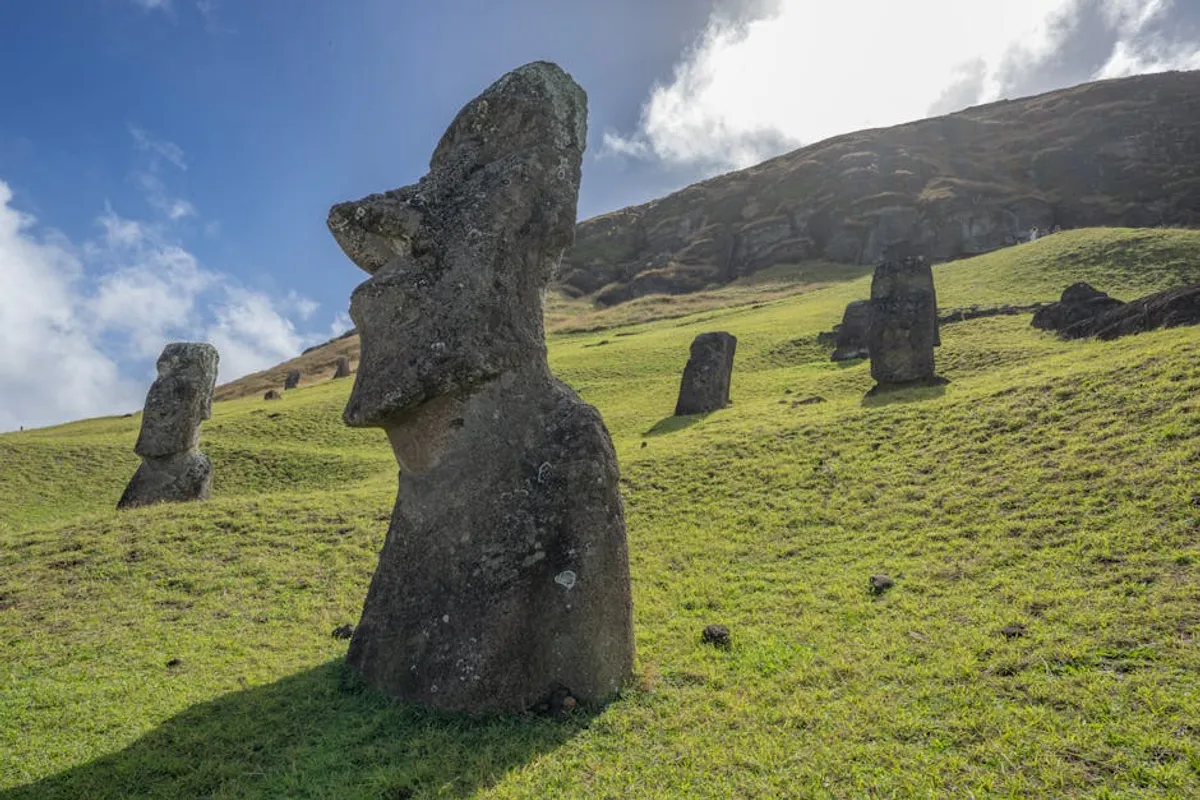
The Moai are monumental sculptures carved by the Rapa Nui people between 1250 and 1500 CE. These figures, primarily depicting deified ancestors, were positioned facing inland to watch over their communities, embodying spiritual power and protecting the island's inhabitants. Their construction involved sophisticated quarrying techniques, primarily from the volcanic tuff of Rano Raraku, followed by transportation and erection across the island—a logistical challenge that continues to spark debate among researchers.
Historical Context and Significance
Each Moai is more than a stone carving; it is a representation of an ancestor, imbued with "mana" (spiritual power). The scale of these statues, some reaching over 30 feet tall and weighing over 75 tons, reflects the social complexity and resourcefulness of the Rapa Nui civilization. Their construction and placement were central to the island's religious and political life, serving as focal points for ceremonies and symbols of clan prestige. The eventual toppling of many Moai, likely due to internal conflicts and resource depletion, marked a significant shift in Rapa Nui society.
Types and Characteristics
While often perceived as uniform, Moai exhibit variations in size, features, and finishing. The most iconic are the large-headed figures found on ceremonial platforms (ahu). Key characteristics include:
- Elongated Heads: Disproportionately large heads, comprising about three-eighths of the statue's total size, featuring prominent brows and long noses.
- Stylized Bodies: Minimalist torsos, often with arms resting on the stomach, and hands meeting at the naval.
- Pukao: Some Moai wore red scoria "hats" or topknots, signifying status or spiritual importance, quarried from Puna Pau.
- Eye Sockets: Many had their eye sockets carved out, intended to hold white coral and obsidian or red scoria eyes, which were inserted during ceremonial activation.
Acquiring Moai Replicas: Tips and Price Considerations
For those unable to visit Rapa Nui, authentic replicas offer a tangible connection to the Moai's legacy. The market for these reproductions varies widely in terms of quality, material, origin, and price. Understanding these factors is crucial for making an informed purchase.
Material and Craftsmanship
Replica materials range from inexpensive resin and concrete to more substantial, hand-carved stone. Resin or concrete models are typically mass-produced, offering lower price points due to simplified production and material costs. Hand-carved stone replicas, especially those made from volcanic rock or similar materials, command higher prices. These often reflect greater artistic skill, labor intensity, and a closer approximation to the original statues' texture and feel. Look for details in facial features, the definition of hands, and the overall finish as indicators of craftsmanship.
Ethical Sourcing and Origin
The origin of a replica significantly impacts its value and ethical standing. Replicas crafted by Rapa Nui artisans on Easter Island often carry a premium. This premium supports local communities, preserves traditional carving techniques, and ensures authenticity of cultural connection. Conversely, mass-produced items from non-indigenous sources may offer lower prices but lack the direct cultural link and often exhibit less attention to detail. Verify the source and artisan if cultural authenticity is a priority.
Pro Tip: When considering a Moai replica purchase, prioritize transparency regarding its origin and materials. Authentic Rapa Nui artisans often provide certificates or clear provenance. Be wary of overly low prices for stone replicas, as these may indicate lower-quality materials or unethical production practices.
Price Ranges for Replicas
Prices for Moai replicas vary substantially based on size, material, and craftsmanship:
- Small Resin/Concrete Replicas (6-12 inches): Typically range from $20 to $100. These are often mass-produced souvenirs.
- Medium Stone/High-Quality Resin Replicas (1-3 feet): Prices can range from $150 to $800. These often show better detail and material quality.
- Large Hand-Carved Stone Replicas (3+ feet): These can start from $1,000 and go upwards of several thousand dollars, depending on the stone type, intricacy, and the artisan's reputation. Shipping costs for larger stone items can also be substantial.
Visiting Rapa Nui: Planning Your Trip
Experiencing the Moai firsthand on Easter Island offers an unparalleled perspective. Planning a visit involves considering travel logistics, site access, and responsible tourism practices.
Logistics and Costs
Access to Rapa Nui is primarily via flights from Santiago, Chile. Airfare constitutes a significant portion of the travel budget, often ranging from $800 to $2,000 round trip, depending on the season and booking lead time. Accommodation options range from guesthouses to boutique hotels, with daily costs varying from $100 to $400+. The Rapa Nui National Park entrance fee, mandatory for visiting most Moai sites, is currently around $80 for foreigners, valid for 10 days. It is advisable to book tours with local guides to gain deeper insights and ensure compliance with park regulations.
Responsible Tourism Practices
The Moai and their ahu are sacred sites. Visitors must adhere to strict rules to preserve these irreplaceable artifacts. This includes staying on marked paths, not touching the statues, and respecting designated no-entry zones. Engaging with local guides not only enriches the experience but also contributes directly to the island's economy and conservation efforts. Understanding the cultural significance of these sites fosters a more respectful and impactful visit.
Key Considerations for Engagement
Whether you are a potential visitor or a collector of replicas, your interaction with the Moai's legacy should be informed by respect for their cultural heritage and the Rapa Nui people.
For visitors, this means prioritizing ethical tourism that supports local communities and adheres to conservation guidelines. For those seeking replicas, it involves a conscious effort to identify and purchase items that are genuinely representative and, ideally, contribute to the economic well-being of Rapa Nui artisans. The Moai are not merely tourist attractions or decorative objects; they are profound cultural statements that deserve careful consideration and reverence.
Frequently Asked Questions
What is the purpose of the Moai statues?
Moai statues primarily represent deified ancestors of the Rapa Nui people, serving as protectors of their communities and embodying spiritual power (mana). They were central to religious ceremonies and symbols of clan status.
Are original Moai statues for sale?
No, original Moai statues are invaluable archaeological artifacts and are not for sale. They are protected under Chilean law and international heritage conventions. Any "original" Moai offered for sale would be illicit.
How can I ensure a Moai replica is ethically sourced?
To ensure ethical sourcing, purchase replicas directly from Rapa Nui artisans or reputable vendors who explicitly state the origin and production methods. Look for details on materials, craftsmanship, and how the purchase supports the local community.
What is the best way to see the Moai?
The best way to see the Moai is by visiting Rapa Nui (Easter Island) and exploring the Rapa Nui National Park. Engage with local guides to gain cultural context and ensure you adhere to all park regulations for respectful visitation.