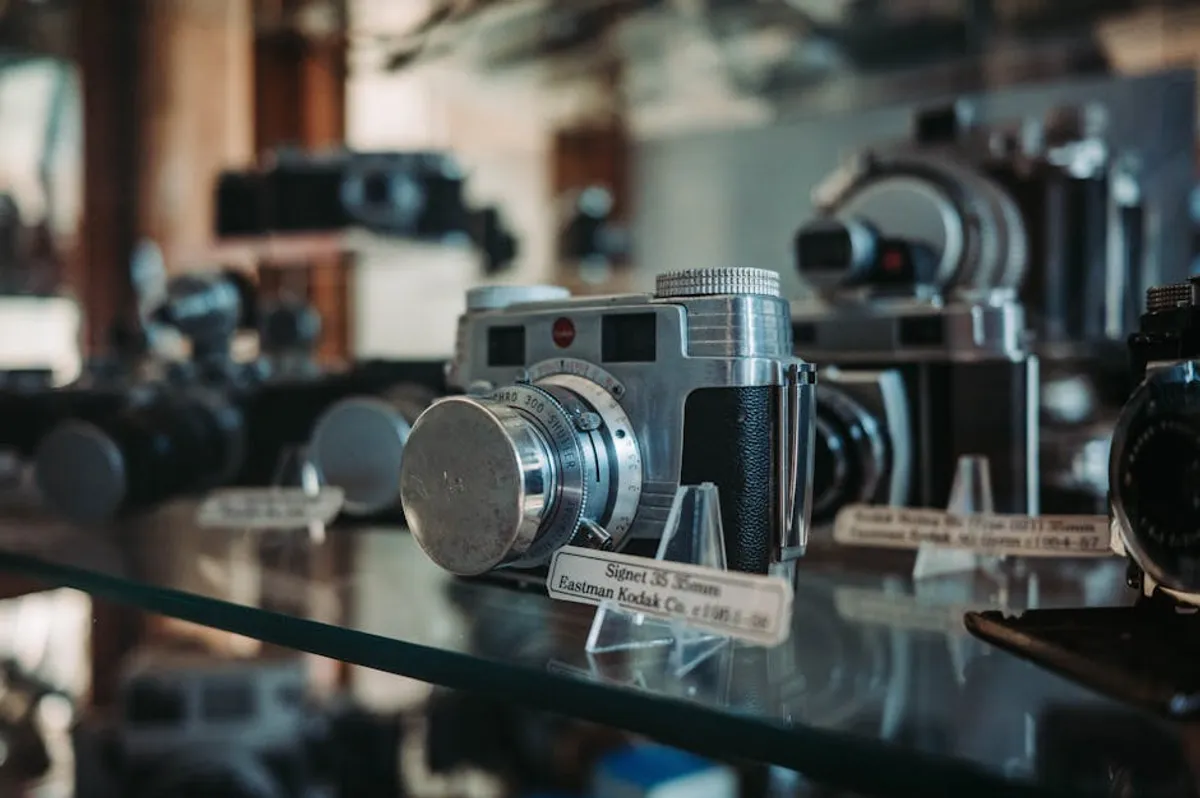
Entering the realm of collectible photography involves more than aesthetic appreciation; it requires understanding market dynamics, authentication processes, and long-term preservation. For a beginner, the initial steps can seem complex, balancing artistic interest with investment potential. This guide outlines the foundational knowledge necessary to navigate the market, acquire pieces responsibly, and safeguard your collection over time. If you're interested in other forms of collecting, our beginner's guide to art collecting may offer valuable insights.
Understanding the Market for Collectible Photography
The value of a collectible photograph is not solely determined by its visual appeal. Several concrete factors contribute to its market standing and potential appreciation.
Key Factors Influencing Value
- Artist's Reputation: Established photographers with significant exhibition histories, critical acclaim, and inclusion in major institutional collections typically command higher prices. Their work has a proven track record and a recognized place in art history.
- Rarity and Edition Size: Limited edition prints are inherently more valuable than open editions or mass-produced works. A smaller edition number (e.g., 1/10 vs. 1/100) indicates greater scarcity, directly impacting potential future value. Unique prints or artist proofs also hold specific market interest due to their singularity.
- Condition: The physical state of the photograph is paramount. Flaws such as fading, creases, tears, or significant repairs can drastically reduce value. Collectors prioritize pristine condition, often requiring professional conservation reports for significant acquisitions.
- Provenance: The documented history of ownership provides crucial validation of a photograph's authenticity and legal title. A clear, verifiable chain of ownership from the artist or original gallery enhances trust and value. Lack of provenance introduces significant risk.
- Historical Significance: Photographs that capture pivotal moments, represent groundbreaking techniques, or are seminal works within an artist's oeuvre often attract premium valuations. Their historical context adds a layer of intellectual and cultural value.
- Print Quality and Period: The quality of the print itself, including the photographic process used (e.g., platinum, gelatin silver, chromogenic), and whether it is a vintage print (made around the time the negative was created) or a later print, significantly influences value. Vintage prints often carry a premium due to their direct connection to the artist's original intent and period.
Identifying Established vs. Emerging Artists
For beginners, distinguishing between an established artist with a proven market and an emerging talent with future potential is key to strategic collecting. Established artists, such as Ansel Adams or Cindy Sherman, have extensive auction records, museum acquisitions, and critical literature supporting their market. Their prices are generally higher but offer more predictable value stability.
Emerging artists, conversely, present an opportunity for earlier acquisition at lower price points. Evaluating their potential involves researching their educational background, early exhibition history (especially in reputable galleries or art fairs), critical reviews, and inclusion in smaller institutional or private collections. Investing in emerging artists carries higher risk but also the potential for greater appreciation if their careers develop significantly.
Acquiring Your First Collectible Photograph
The acquisition process demands careful consideration of authenticity, condition, and the source of the artwork.
Where to Buy
Reputable sources minimize risk and provide necessary documentation:
- Galleries: Art galleries specializing in photography offer curated selections, expert advice, and often direct relationships with artists. They provide certificates of authenticity and detailed condition reports.
- Auction Houses: Major auction houses (e.g., Sotheby's, Christie's, Phillips) offer a wide range of works, often with pre-sale condition reports and provenance research. Bidding requires understanding auction dynamics and buyer's premiums.
- Art Fairs: Fairs like Photo London or Paris Photo gather numerous galleries, allowing for direct comparison and discovery of new artists. This environment facilitates networking and education.
- Online Platforms: While convenient, online marketplaces require heightened diligence. Verify seller reputation, review detailed images, and ensure a clear return policy. Platforms like Artsy or Artnet often partner with established galleries, offering a safer online experience than direct peer-to-peer sales.
Due Diligence and Authentication
Before any purchase, request and review a certificate of authenticity (COA) directly from the artist, their estate, or the selling gallery. This document confirms the work's legitimacy, edition number, and sometimes its print date. For significant purchases, particularly vintage works, consider commissioning an independent expert appraisal or conservation report to verify condition and authenticity. Always confirm the provenance chain; a clear, documented history of ownership adds significant security to your investment.
Pro Tip: Always secure a high-resolution, condition-specific image of the exact print you intend to purchase. Compare it meticulously against the condition report. Discrepancies, even minor ones, can impact long-term value and should prompt further inquiry or reconsideration.
Budgeting and Investment Strategy
Define a clear budget before you begin. Collectible photography ranges from hundreds to millions of dollars. For beginners, consider works by emerging artists, smaller prints by established photographers, or works from less common series by well-known names. Focus on quality over quantity. Your strategy might prioritize long-term appreciation, meaning you're willing to hold pieces for decades, or perhaps a more active approach to buying and selling, though the latter demands significant market expertise and carries higher transaction costs.
Preserving Your Investment
Proper care and storage are critical for maintaining a photograph's condition and, consequently, its value.
Proper Handling and Display
Always handle photographs with clean, lint-free cotton gloves to prevent transferring oils or dirt. When displaying, use archival-quality framing materials: acid-free mat boards, backing, and UV-filtering glazing (acrylic or glass). Avoid direct sunlight or strong artificial light sources, which can cause irreversible fading. Rotate displayed works if possible, or use dimmable LED lighting with low UV output.
Storage Conditions
Unframed or stored photographs require specific environmental controls. Store prints flat in acid-free archival boxes or folders, interleaved with acid-free tissue paper. Maintain a stable environment with temperatures between 60-75°F (15-24°C) and relative humidity between 30-50%. Fluctuations in temperature and humidity cause materials to expand and contract, leading to damage. Avoid attics, basements, or exterior walls where environmental conditions are less stable.
Insurance Considerations
Once you acquire a valuable piece, ensure it is adequately insured. Standard homeowner's insurance policies often have limitations on high-value art. Consult with an insurance broker specializing in fine art to obtain a dedicated art rider or a separate policy. This protects your investment against theft, damage, or loss. Regularly update valuations for your collection to ensure current coverage.
Building Your Photography Collection Responsibly
Starting a collectible photography collection is a journey of education and discernment. Begin by immersing yourself in the medium: visit galleries, attend art fairs, read critical reviews, and study auction catalogs. Define your personal aesthetic and research artists whose work resonates with you. Set a realistic budget and commit to thorough due diligence before any purchase. Focus on acquiring works in excellent condition with verifiable provenance from reputable sources. By prioritizing informed decisions and diligent care, you can build a meaningful and potentially valuable collection that reflects your passion for photography.
Frequently Asked Questions
What is the difference between an open edition and a limited edition print?
An open edition print has no predetermined limit on the number of copies produced, meaning the artist can print as many as demanded. A limited edition print, conversely, is produced in a finite, numbered quantity (e.g., 1/25, 2/25, etc.), after which no more copies are made. Limited editions generally hold higher market value due to their scarcity.
How do I know if a photograph is a good investment?
There's no guaranteed investment in art, but potential is indicated by the artist's established reputation, consistent exhibition history, critical acclaim, inclusion in significant collections, and the work's rarity and condition. Researching auction results for comparable works by the same artist provides a market benchmark.
Should I frame my collectible photographs myself?
It is strongly recommended to have collectible photographs professionally framed by a conservator or a framer specializing in archival materials. Improper framing using acidic materials can cause irreversible damage to the print over time, significantly diminishing its value and aesthetic integrity.
What is "provenance" and why is it important?
Provenance refers to the documented history of ownership of a work of art. It's crucial because it verifies the authenticity of the piece, establishes its legal title, and can significantly influence its market value. A clear, unbroken chain of ownership from the artist or original gallery to the current seller provides confidence in the artwork's legitimacy and ethical acquisition.