
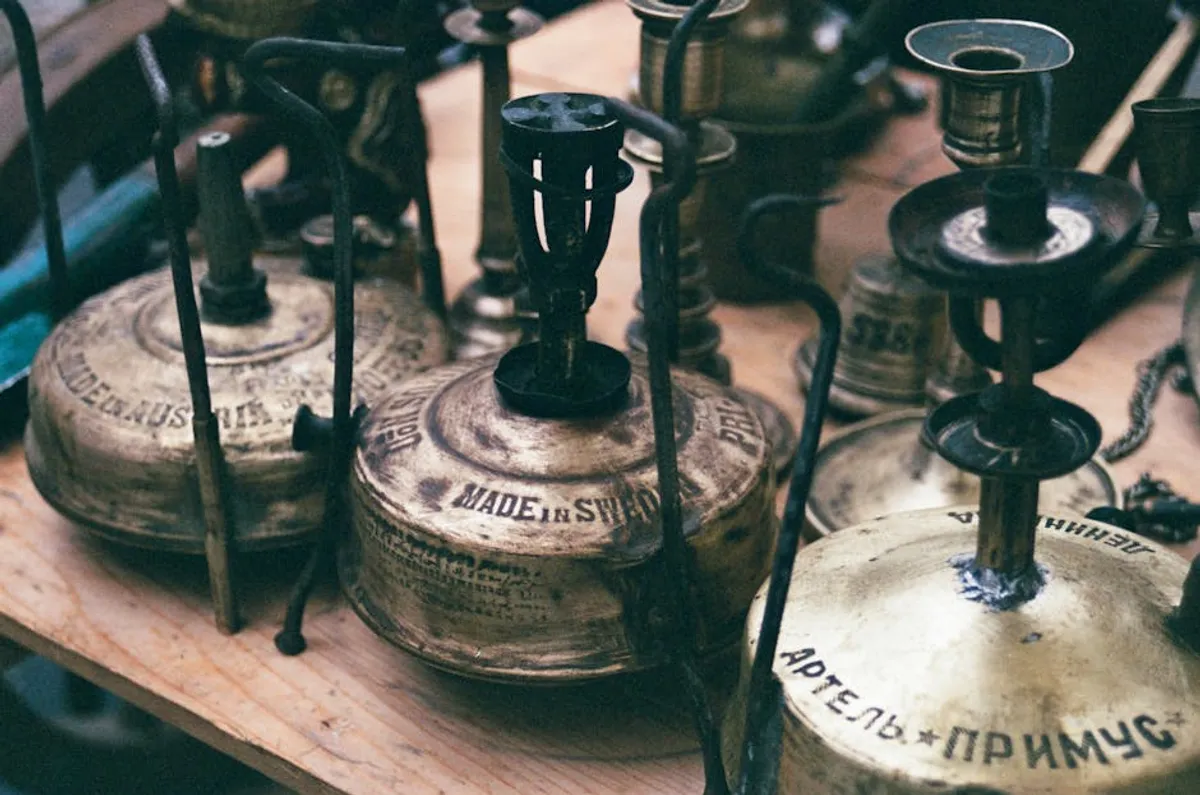
Antique markets offer a unique blend of historical discovery, artistic appreciation, and investment potential. For both seasoned collectors and new enthusiasts, navigating the diverse landscape of markets requires understanding what each venue offers. Whether you seek specific period furniture, rare books, vintage jewelry, or simply the thrill of uncovering an unexpected treasure, the right market can significantly enhance your experience and the quality of your acquisitions. This guide outlines key considerations for selecting an antique market and highlights various types of markets that cater to different interests and budgets, ensuring you approach your next hunt with informed intent.
What to Look For in an Antique Market
Before committing to a specific market, evaluate several factors that dictate its suitability for your collecting goals. The characteristics below help differentiate venues and ensure your time and resources are well spent.
Specialization and Breadth: Some markets are generalist, offering a wide array of items from multiple eras and categories. Others are highly specialized, focusing on specific periods (e.g., Art Deco, Mid-Century Modern), types of items (e.g., militaria, textiles, ceramics), or even regional antiques. A specialized market often provides deeper expertise and a more curated selection within its niche, while a general market offers broader discovery potential but may require more diligent searching for specific items.
Vendor Vetting and Authenticity: Reputable markets implement processes to vet their dealers, ensuring a certain standard of authenticity and ethical practice. Markets with stringent vetting often feature dealers who are members of professional antique associations, providing provenance documentation or guarantees of authenticity. Less formal markets might have a higher risk of reproductions or misrepresented items, requiring buyers to exercise greater personal expertise and caution.
Pricing Structure and Negotiation: Understand the typical pricing model. Some high-end fairs feature items with fixed, non-negotiable prices, reflecting expert appraisal and established value. Others, particularly larger outdoor markets or flea markets, expect negotiation as part of the transaction. Knowing the market's culture around pricing helps you prepare your budget and negotiation strategy.
Atmosphere and Experience: Markets vary from bustling, informal outdoor events to quiet, curated indoor shows. Consider the environment that best suits your shopping style. Factors like crowd levels, availability of amenities (restrooms, food vendors), ease of navigation, and overall aesthetic contribute to the experience. Some collectors value the social aspect and vibrant energy of a large fair, while others prefer the focused calm of a smaller, specialized show.
Logistics and Accessibility: Evaluate the practical aspects. Location, parking availability, and public transport options are crucial. For larger items, consider whether the market offers on-site packing, shipping, or delivery services. Weekend-only markets versus permanent antique malls also dictate frequency of access and overall convenience.
Reputation and Longevity: Established markets often have a track record for quality, fairness, and attracting a consistent caliber of dealers and buyers. Online reviews, collector forums, and word-of-mouth can provide insights into a market's standing within the antique community. A market with a strong reputation is more likely to provide a reliable and satisfying experience.
1. The Grand Emporium Antiques Fair
This market positions itself as a premier destination for high-end European furniture and decorative arts from the 18th and 19th centuries. Held quarterly in a purpose-built exhibition hall, it features over 200 vetted dealers, many of whom are members of national antique dealer associations. The focus is on authenticated pieces with documented provenance, attracting serious collectors and interior designers seeking investment-grade items.
Best for: Serious collectors of authenticated European furniture and decorative arts, interior designers sourcing high-value pieces.
Pros:
- Rigorous dealer vetting ensures authenticity and quality.
- Extensive selection of high-value, investment-grade antiques.
- Professional atmosphere with expert dealers providing detailed provenance.
- On-site shipping services and secure packing options available.
Cons:
- Prices are generally at the higher end of the market spectrum.
- Less suitable for casual browsing or bargain hunting.
- Entry fees can be substantial, reflecting the caliber of items.
- Limited selection for non-European or more contemporary antique categories.
Verdict: An essential stop for discerning buyers prioritizing authenticity and quality in European antiques, offering a curated experience for significant acquisitions.
2. Liberty Bell Flea & Antique Market
Located just outside a major metropolitan area, this sprawling outdoor and indoor market operates weekly, offering a vast and eclectic mix of antiques, collectibles, vintage items, and general flea market finds. With hundreds of vendors, it caters to a wide audience, from professional resellers to casual weekend browsers looking for unique decorative pieces or project items. The emphasis is on volume and variety, with prices often open to negotiation.
Best for: Bargain hunters, resellers, those seeking a wide variety of general antiques and vintage items, and those who enjoy the thrill of the hunt.
Pros:
- Extremely diverse inventory across many categories and price points.
- Frequent turnover of stock due to weekly operation.
- Negotiation is common and often expected.
- Lower entry barrier for new dealers, leading to fresh finds.
Cons:
- Quality and authenticity can vary significantly between vendors.
- Requires extensive searching and a keen eye to identify valuable items.
- Can be crowded and overwhelming, especially during peak hours.
- Limited amenities and less formal presentation of goods.
Verdict: An ideal destination for those who thrive on discovery and are prepared to sift through a broad selection, offering significant potential for value if you know what to look for.
3. The Vintage Wardrobe Collective
This specialized market focuses exclusively on vintage clothing, accessories, and textiles, spanning eras from the Victorian period through the 1980s. Held bi-annually in various urban locations, it brings together expert dealers in fashion history, offering carefully curated collections of garments, haute couture, antique lace, and period costume jewelry. The market emphasizes condition, authenticity, and historical significance.
Best for: Fashion historians, vintage clothing collectors, costume designers, and individuals seeking unique, high-quality period garments and accessories.
Pros:
- Highly specialized inventory with deep expertise from vendors.
- Focus on condition, authenticity, and historical context of garments.
- Opportunities to find rare and designer vintage pieces.
- Educational environment for learning about fashion history.
Cons:
- Prices can be high, reflecting the rarity and condition of items.
- Limited appeal for those not specifically interested in vintage fashion.
- Sizes for older garments may not conform to modern standards.
- Infrequent events require careful planning to attend.
Verdict: An indispensable resource for serious vintage fashion enthusiasts and professionals, offering unparalleled access to authenticated and well-preserved historical clothing.
4. Coastal Antiques & Collectibles Mall
Operating as a permanent indoor antique mall, this venue houses over 150 individual dealer booths under one roof. Each booth is curated by a different vendor, offering a consistent supply of furniture, glassware, ceramics, books, and decorative items. The mall provides a climate-controlled, comfortable shopping experience, with items typically priced and less open to negotiation than a flea market. It's a reliable option for consistent browsing.
Best for: Casual collectors, interior decorators, and individuals seeking a comfortable, year-round shopping experience for a wide range of general antiques and collectibles.
Pros:
- Consistent inventory available daily, not just on specific market days.
- Climate-controlled environment for comfortable browsing in any weather.
- Items are generally priced, simplifying the purchasing process.
- Diverse selection from many dealers without the overwhelming scale of a huge fair.
Cons:
- Prices may be higher than at outdoor markets due to overheads.
- Less opportunity for negotiation on individual items.
- Quality and curation can vary significantly between individual booths.
- Discovering truly rare or unique items can require patience.
Verdict: A dependable choice for regular antique shopping, offering convenience and a broad selection in a comfortable, predictable setting, ideal for finding decorative pieces and common collectibles.
5. The Antiquarian Book Forum
This annual event is a highly specialized gathering for collectors of rare books, manuscripts, maps, and historical ephemera. Featuring national and international booksellers, the forum is known for its academic atmosphere, where provenance, binding quality, first editions, and historical significance are paramount. Dealers are experts in their fields, providing detailed information and authentication for their offerings.
Best for: Serious bibliophiles, academic researchers, institutional buyers, and collectors of rare books, historical documents, and cartography.
Pros:
- Access to extremely rare and historically significant printed materials.
- Expert dealers with deep knowledge of bibliography and provenance.
- Opportunity to acquire investment-grade books and manuscripts.
- Networking opportunities with other serious collectors and scholars.
Cons:
- Highly specialized, with limited appeal outside of book and paper collecting.
- Prices are typically very high, reflecting rarity and historical value.
- Infrequent event, requiring travel and advance planning.
- Less focus on decorative or general antique items.
Verdict: An essential pilgrimage for dedicated book collectors and scholars, offering unparalleled access to the world's most significant and rare printed works.
6. Harvest Moon Architectural Salvage
This market specializes in reclaimed architectural elements, industrial antiques, and vintage building materials. Operating from a large warehouse and outdoor yard, it offers everything from antique doors, stained glass windows, and fireplace mantels to vintage plumbing fixtures, industrial lighting, and garden statuary. It caters to renovators, designers, and those seeking unique components for restoration or upcycling projects.
Best for: Home renovators, interior designers, landscape architects, and DIY enthusiasts seeking unique architectural elements, industrial decor, or period-specific building materials.
Pros:
- Unique inventory of large, often one-of-a-kind architectural pieces.
- Sustainable sourcing for historical preservation and creative projects.
- Opportunities to find functional and decorative elements for home or garden.
- Knowledgeable staff often available to discuss restoration and installation.
Cons:
- Items are often large, heavy, and require specialized transport.
- Condition can vary, with many items requiring restoration or cleaning.
- Inventory turnover can be unpredictable, dependent on demolition or salvage projects.
- Less focus on smaller, decorative household antiques.
Verdict: An invaluable resource for anyone undertaking historical renovations or seeking to incorporate authentic vintage architectural character into modern spaces, offering distinct and substantial finds.
7. The Silver Spoon Jewelry & Watches Show
This specialized show focuses exclusively on antique and vintage jewelry, watches, and precious metals. Held semi-annually in various upscale venues, it attracts high-end dealers and gemologists offering authenticated pieces from different eras, including Art Deco, Edwardian, Victorian, and Mid-Century designs. The emphasis is on quality, craftsmanship, and verified materials, often accompanied by appraisal certificates.
Best for: Collectors of fine antique jewelry, individuals seeking unique engagement rings or heirloom pieces, and those interested in investment-grade vintage watches.
Pros:
- Highly specialized, ensuring a deep selection of quality jewelry and watches.
- Dealers are often certified gemologists or horologists, providing expert authentication.
- Opportunity to find rare designs and investment-grade pieces.
- Secure and professional environment for high-value purchases.
Cons:
- Prices are typically high, reflecting the value of materials and craftsmanship.
- Limited appeal for those not specifically collecting jewelry or watches.
- Infrequent events require advance planning and potentially travel.
- Less opportunity for casual browsing or bargain hunting.
Verdict: The definitive destination for acquiring authenticated, high-quality antique and vintage jewelry and watches, offering expert guidance and a secure buying experience.
8. Pioneer Valley Country Market
This monthly outdoor market emphasizes Americana, folk art, early American furniture, and rustic country collectibles. Set in a picturesque rural location, it attracts dealers specializing in items from the 17th through early 20th centuries, with a strong focus on regional craftsmanship and historical artifacts. The atmosphere is relaxed and friendly, encouraging conversation with knowledgeable vendors.
Best for: Collectors of Americana, folk art, primitive furniture, and rustic country decor, as well as those interested in regional history and craftsmanship.
Pros:
- Excellent source for authentic Americana and regional folk art.
- Knowledgeable dealers often provide historical context for items.
- Relaxed, community-oriented atmosphere.
- Opportunity to find unique, hand-crafted pieces with local significance.
Cons:
- Specialized focus limits appeal for broader antique interests.
- Outdoor setting can be weather-dependent.
- Inventory may be less formal or "polished" than urban shows.
- Requires a specific aesthetic preference to fully appreciate the offerings.
Verdict: A charming and authentic market for enthusiasts of Americana and folk art, offering a genuine connection to regional history through its curated selection of rustic treasures.
9. The Modernist Collective Show
Dedicated to 20th-century design, this show focuses on Mid-Century Modern, Art Deco, Art Nouveau, and other significant design movements. Held annually, it gathers dealers specializing in furniture, lighting, ceramics, glass, and art from these periods. The market appeals to collectors and designers who appreciate clean lines, innovative materials, and iconic pieces that shaped modern aesthetics.
Best for: Collectors of 20th-century design, interior designers, and enthusiasts of Mid-Century Modern, Art Deco, and Art Nouveau furniture, art, and decor.
Pros:
- Highly curated selection of iconic 20th-century design pieces.
- Expert dealers with deep knowledge of specific design movements and designers.
- Opportunity to acquire investment-grade modern design items.
- Inspiring environment for modern interior design ideas.
Cons:
- Specialized focus limits appeal for traditional antique collectors.
- Prices for iconic pieces can be very high.
- Annual event requires careful planning to attend.
- Authenticity can be a concern with popular reproductions, necessitating careful inspection.
Verdict: The premier destination for acquiring authenticated and high-quality 20th-century design pieces, offering a focused and inspiring experience for modern design aficionados.
10. Global Curios & Ethnographic Market
This market specializes in tribal art, ethnographic artifacts, and global curiosities from Africa, Asia, Oceania, and the Americas. Held irregularly in major cultural centers, it brings together dealers with expertise in anthropology, art history, and indigenous cultures. Items range from ceremonial masks and textiles to ancient tools and decorative objects, often with detailed provenance and cultural context.
Best for: Collectors of tribal art, ethnographic artifacts, and cultural curiosities, as well as academic researchers and museum curators.
Pros:
- Unique opportunity to acquire rare and culturally significant artifacts.
- Dealers often possess deep knowledge of cultural origins and historical context.
- Promotes appreciation for diverse global artistic traditions.
- Items often represent unique historical narratives.
Cons:
- Ethical sourcing and authenticity require careful due diligence.
- Specialized interest limits broad appeal.
- Prices can be highly variable and sometimes substantial.
- Infrequent and geographically dispersed events.
Verdict: An essential, albeit niche, market for those seeking to collect and preserve global cultural heritage, demanding informed buying and ethical considerations.
11. The Collector's Corner Estate Sale Collective
This is not a traditional market but a collective of professional estate liquidators who periodically host combined sales in a large venue. It offers items directly from multiple estates, ranging from high-end antiques and art to general household goods. The appeal lies in the "as-is" nature of estate finds, often at competitive prices, with a rapid turnover of inventory and a wide variety of uncurated items.
Best for: Resellers, bargain hunters, and those seeking a wide variety of items from multiple estates, including furniture, art, and general household goods, often at competitive prices.
Pros:
- Direct access to items from multiple estates, often at competitive prices.
- Wide variety of items, from high-end to everyday collectibles.
- High turnover of inventory ensures fresh finds with each event.
- Opportunities for significant discounts, especially towards the end of a sale.
Cons:
- Items are sold "as-is," with limited guarantees or return policies.
- Requires significant personal expertise to assess value and condition.
- Can be highly competitive, with early arrival often necessary for best selection.
- Less formal presentation and customer service compared to curated markets.
Verdict: A dynamic and often rewarding environment for experienced buyers and resellers, offering the thrill of direct estate finds and the potential for substantial value, provided you are prepared for an "as-is" transaction.
12. The Artisan & Antique Guild Fair
This fair uniquely blends traditional antiques with contemporary artisan crafts, emphasizing items that share a common thread of quality craftsmanship and unique design. Held annually, it features a select group of antique dealers alongside modern makers of furniture, pottery, textiles, and jewelry. The focus is on bridging past and present, offering complementary pieces for a cohesive aesthetic.
Best for: Individuals seeking to integrate unique antique pieces into modern decor, collectors who appreciate both historical and contemporary craftsmanship, and those looking for a curated, design-focused experience.
Pros:
- Curated blend of antique and contemporary artisan goods.
- Focus on quality craftsmanship and unique design across all items.
- Opportunities to see how antiques can complement modern interiors.
- Engaging environment for design inspiration and cross-era collecting.
Cons:
- Limited selection for highly specialized antique categories.
- Prices may reflect the curated nature and quality of both antique and artisan items.
- Annual event requires careful planning to attend.
- Less emphasis on bargain hunting or high-volume acquisition.
Verdict: An innovative market for design-conscious collectors, offering a harmonious blend of historical charm and modern artistry, ideal for creating distinctive and integrated living spaces.
How to Choose the Right Antique Market for Your Needs
Selecting the optimal antique market involves a clear understanding of your objectives and a bit of preparatory research. Begin by defining what you hope to acquire: are you seeking a specific type of item, a general decorative piece, or an investment-grade artifact? Your answer will guide you towards specialized shows or broader general markets.
Research market schedules, vendor lists, and online reviews. Many markets publish lists of participating dealers and their specialties, allowing you to preview potential finds. Pay attention to the market's reputation for authenticity and pricing. If you're new to collecting, consider starting with smaller, more curated markets where dealers are often more accessible for questions and advice. For higher-value purchases, prioritize markets with strong vetting processes and professional associations.
Budget is another critical factor. Determine your spending limit and understand the market's negotiation culture. Some markets are fixed-price, while others expect negotiation, particularly on larger items or multiple purchases. Always inspect items thoroughly for condition, damage, and repairs, and don't hesitate to