Collecting antique books offers a unique blend of historical engagement, aesthetic appreciation, and intellectual pursuit. For both nascent and established collectors, navigating the specialized market requires a strategic approach to ensure acquisitions align with personal interest, historical significance, and potential value. The journey from casual admirer to informed collector involves understanding nuanced details that differentiate a common old book from a genuinely rare or significant artifact. This guide provides actionable tips designed to sharpen your discernment, optimize your acquisition process, and enhance the long-term enjoyment and integrity of your collection. For those new to the field, understanding the foundational elements can be greatly aided by a beginner's guide to antique books.
Establishing Your Collecting Focus
Before making significant acquisitions, define your collecting parameters. This involves more than just a general interest in "old books." Consider what specific areas resonate most deeply with you: a particular author's complete works, a historical period, a specific genre like early science fiction or travel narratives, a type of binding, or books printed by a notable press. A focused approach streamlines your search, helps you recognize valuable opportunities, and prevents indiscriminate purchases that dilute the coherence and quality of your collection. Researching market trends within your chosen niche can also inform your budget and expectations for rarity and pricing.
1. Understand Edition States and Printings
The distinction between a first edition, a first printing, a later printing, or a subsequent edition significantly impacts an antique book's value and desirability. A "first edition, first printing" is often the most sought-after, representing the earliest form of the text as originally published. However, identifying these requires meticulous comparison with established bibliographies and knowledge of specific publisher practices, such as "points" or textual variations that indicate printing order. Errors, corrections, or alterations made during the initial press run can create distinct "states" within a first printing, some of which are rarer than others.
Best for: Collectors prioritizing historical authenticity and maximum potential investment value, particularly in literary or historically significant works.
Pros: Maximize acquisition value; deepens historical understanding of textual transmission; offers a clear, verifiable metric for rarity.
Cons: Requires extensive research and access to specialized bibliographic tools; can lead to costly mistakes if identification is inaccurate.
Verdict: Essential for serious collectors; mastering this tip provides a foundational understanding of intrinsic book value beyond mere age.
2. Assess Condition Accurately
Condition is paramount in antique book collecting, often outweighing age or even rarity in determining market value. A book's condition is typically graded on a scale (e.g., Fine, Near Fine, Very Good, Good, Fair, Poor). This assessment considers the integrity of the binding, the presence and condition of the dust jacket (if applicable), the state of the pages (foxing, staining, tears, annotations), and any repairs. Original condition is almost always preferred over restoration, though professional, sympathetic repairs can stabilize a fragile volume without destroying its historical integrity.
Best for: All collectors, as condition directly correlates with market value and long-term preservation of the artifact.
Pros: Protects financial investment; ensures the longevity of the book; allows for informed negotiation based on objective criteria.
Cons: Subjectivity in grading can vary between dealers; minor flaws can be overlooked by inexperienced eyes; a pristine copy can be significantly more expensive.
Verdict: A critical skill; learn to identify and articulate condition flaws to make informed purchasing decisions and avoid overpaying.
3. Research Provenance Thoroughly
Provenance refers to the book's ownership history, tracing its journey from publisher to its current holder. A verifiable provenance can significantly enhance a book's value, especially if it belonged to a famous individual, was part of a notable library, or bears significant marginalia or inscriptions. Ex-libris bookplates, ownership signatures, or sale records provide tangible evidence. Establishing provenance requires diligent research, often involving auction records, historical documents, or direct communication with previous owners. A clear, documented history adds a layer of cultural and historical significance.
Best for: Collectors seeking books with unique historical narratives or those aiming for investment-grade pieces with added prestige.
Pros: Increases a book's historical and monetary value; connects the collector to a broader historical context; provides compelling narratives for the collection.
Cons: Difficult to establish for many books; fraudulent claims of provenance exist; research can be time-consuming and expensive.
Verdict: While challenging, strong provenance transforms a book from an object into an artifact with a documented story, making it a powerful differentiator.
4. Identify Key Bibliographic Markers
Beyond edition and printing, specific bibliographic markers provide crucial information about a book's identity and rarity. These include the title page (publisher, place, date), collation (the sequence and number of pages or signatures), illustrations (plates, maps, engravings), and any unique physical characteristics like paper quality or watermarks. Bibliographies, such as those compiled by scholarly institutions or specialized book dealers, serve as authoritative guides, detailing these markers and differentiating true firsts from reprints or facsimiles. Understanding these markers prevents misidentification and ensures authenticity.
Best for: Collectors focused on scholarly accuracy, textual integrity, or highly specialized niches where minute details dictate value.
Pros: Ensures accurate identification and valuation; prevents purchasing forgeries or misidentified copies; builds a robust knowledge base for future acquisitions.
Cons: Requires access to specialized bibliographic resources; can be overwhelming for beginners due to the sheer volume of detail; errors in interpretation are possible.
Verdict: A non-negotiable skill for serious collectors; mastering bibliographic identification is the cornerstone of informed collecting.
5. Set a Realistic Budget and Stick to It
Antique book prices can range from a few dollars to millions. Establishing a clear budget for individual acquisitions and for your collection overall is crucial for sustainable collecting. Researching recent auction results and dealer prices for similar items provides a baseline for realistic expectations. Avoid impulse purchases that exceed your financial comfort zone. A budget helps prioritize acquisitions, allowing you to save for significant pieces that align with your collecting goals rather than accumulating numerous less important items.
Best for: All collectors, ensuring financial stability and strategic growth of the collection.
Pros: Prevents overspending; promotes disciplined collecting; allows for strategic allocation of resources towards key pieces.
Cons: Can limit access to highly desirable items; requires self-discipline to adhere to limits, especially at auctions or book fairs.
Verdict: A fundamental financial discipline; a well-managed budget supports a focused and financially sound collecting strategy.
6. Network with Dealers and Other Collectors
Building relationships within the antique book community is invaluable. Reputable dealers often have specialized knowledge, access to private collections, and can source specific items. They can also offer expert advice on condition, authenticity, and market trends. Engaging with other collectors provides opportunities for sharing knowledge, discovering new resources, and sometimes even trading or selling duplicates. These networks become critical channels for learning and acquisition, often leading to opportunities not available to the general public.
Best for: Collectors seeking expert guidance, access to exclusive inventory, and a deeper engagement with the collecting community.
Pros: Gaining access to specialized knowledge and inventory; potential for early access to new acquisitions; opportunities for mentorship and collaboration.
Cons: Requires time and effort to build trust and rapport; some dealers may prioritize established clients; potential for biased advice from less reputable sources.
Verdict: Cultivating relationships is a long-term investment that yields significant returns in knowledge, access, and collecting opportunities.
7. Learn About Bookbinding and Materials
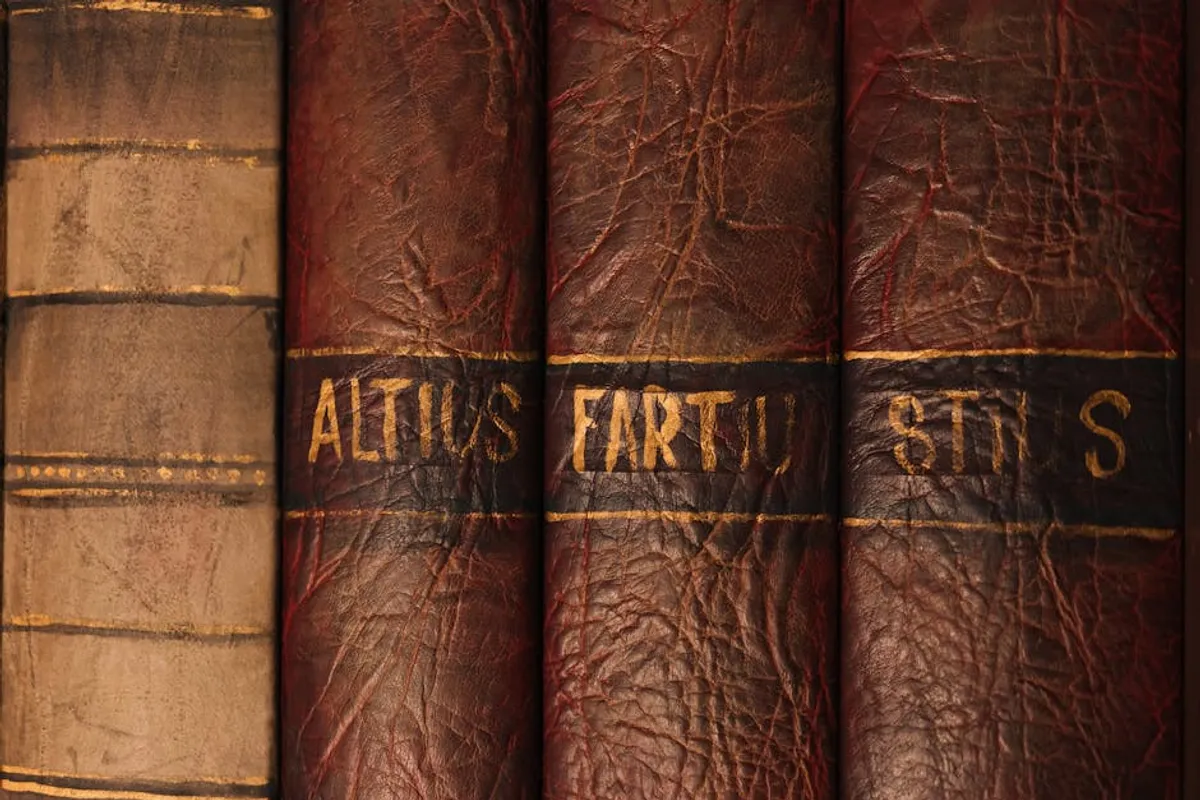
The physical construction of an antique book provides insights into its age, origin, and care. Understanding different binding styles (e.g., full leather, half leather, cloth, paper wrappers), materials (calfskin, morocco, vellum, marbled paper), and decorative techniques (gilding, blind-tooling) helps in dating and authenticating volumes. Knowledge of paper types (rag paper, wood pulp), watermarks, and early printing methods (letterpress, woodcuts) further enhances your ability to evaluate a book's historical context and condition. This technical understanding informs both appreciation and preservation efforts.
Best for: Collectors interested in the physical craft of bookmaking, historical printing practices, and advanced authentication techniques.
Pros: Deepens appreciation for the book as an artifact; aids in dating and authenticating; informs proper handling and preservation.
Cons: Requires study of specialized terminology and historical techniques; some details are only visible with careful examination and specific tools.
Verdict: Essential for a holistic understanding of antique books; this knowledge enhances both collecting acumen and curatorial responsibility.
8. Consider Storage and Preservation
Proper storage is critical for preserving antique books. Environmental factors like temperature, humidity, light exposure, and pests can cause irreversible damage. Store books in a stable environment, ideally between 60-70°F (15-21°C) with 40-50% relative humidity, away from direct sunlight or fluorescent lights. Use acid-free archival boxes, sleeves, or custom enclosures for fragile or valuable items. Ensure shelves are sturdy and books are shelved upright, not leaning. Regular inspection for signs of deterioration or pest activity is also necessary.
Best for: All collectors, as improper storage can rapidly degrade even the most valuable books.
Pros: Extends the life and maintains the condition of your collection; protects financial investment; demonstrates responsible stewardship.
Cons: Can involve significant cost for climate control and archival supplies; requires ongoing vigilance and maintenance.
Verdict: Non-negotiable; neglect of preservation undermines all other collecting efforts and devalues your acquisitions over time.
9. Specialize in a Niche (Author, Genre, Period)
While broad interest is a starting point, successful collecting often benefits from specialization. Focusing on a specific author (e.g., all first editions of Mark Twain), a particular genre (e.g., early science fiction, travel narratives), a historical period (e.g., 18th-century philosophy), or even a specific publishing house allows for deeper expertise. This specialization helps in identifying undervalued items, building a comprehensive knowledge base, and creating a cohesive collection with a clear identity. It also makes your collection more appealing to future buyers or institutions if you decide to sell.
Best for: Collectors aiming for depth of knowledge, a cohesive collection, and efficient use of acquisition resources.
Pros: Fosters expert-level knowledge; streamlines searching and acquisition; creates a more valuable and coherent collection; allows for focused networking.
Cons: Can limit collecting opportunities if the niche is too narrow; market fluctuations within a specific niche can impact overall collection value.
Verdict: Specialization is a powerful strategy for building a distinguished and meaningful collection, enhancing both intellectual satisfaction and market value.
10. Understand Market Value vs. Asking Price
The asking price from a dealer or at an auction is not always synonymous with true market value. Market value is determined by what a willing buyer will pay a willing seller, typically reflected in recent, comparable sales. Researching auction records (e.g., through databases like American Book Prices Current or Rare Book Hub) and dealer catalogs provides data points for similar items. Always compare the condition, edition, and provenance of a prospective purchase to these benchmarks. Negotiation is often possible, especially for items with less immediate demand or from independent dealers.
Best for: All collectors, ensuring fair pricing and preventing overpayment.
Pros: Facilitates informed purchasing decisions; empowers negotiation; prevents costly mistakes; helps identify undervalued opportunities.
Cons: Requires access to and understanding of market data; comparable sales data may not always be available for unique items; market can fluctuate.
Verdict: Diligent market research is crucial for any financially prudent collector, empowering you to buy smart and build value.
11. Attend Book Fairs and Auctions
Physical book fairs and auctions provide unparalleled opportunities for discovery, direct examination, and networking. Fairs bring together numerous dealers, allowing for comparison shopping and access to a vast array of inventory. Auctions, particularly those specializing in rare books, offer a competitive environment where significant pieces can be acquired, often at market-driven prices. Attending these events allows you to handle books, speak directly with experts, and develop a tactile understanding that online browsing cannot replicate.
Best for: Collectors seeking direct interaction with books and dealers, and those looking for unique acquisition opportunities.
Pros: Direct physical examination of books; opportunities for expert consultation; access to a wide range of inventory; fosters community engagement.
Cons: Requires travel and time commitment; competitive bidding at auctions can lead to overspending; potential for impulse purchases.
Verdict: Essential for hands-on learning and acquisition, these events are vital for developing a nuanced understanding of the market and the books themselves.
12. Utilize Online Resources and Databases
The digital age has transformed antique book collecting, offering access to vast amounts of information and inventory. Online bibliographic databases (e.g., ESTC, USTC), digital libraries, and specialized search engines (e.g., AbeBooks, Biblio.com, Vialibri) allow collectors to research, locate, and compare books from dealers worldwide. Auction house websites provide past results and upcoming catalogs. These resources are indispensable for identifying specific editions, understanding market values, and connecting with sellers across geographical boundaries. However, always verify details with high-resolution images or direct inquiries before purchasing online. These digital tools are invaluable for research, but you'll still need to know how to properly evaluate antique books in person.
Best for: All collectors, providing efficient research tools and broad market access from any location.
Pros: Unprecedented access to inventory and bibliographic data; efficient price comparison; ability to connect with international dealers; supports remote research.
Cons: Lack of physical examination before purchase; reliance on seller descriptions and images; potential for misrepresentation or inaccurate listings.
Verdict: A powerful complement to traditional collecting methods; online resources are indispensable for modern antique book acquisition and research, but always verify details.
Refining Your Collection Strategy
Measuring the "success" of an antique book collection extends beyond monetary value, encompassing intellectual satisfaction, historical impact, and aesthetic appeal. To refine your strategy, regularly review your collection against your initial goals. Are you still passionate about your chosen niche? Have market trends shifted in a way that impacts your focus? Consider the overall coherence and narrative of your collection. Documenting each acquisition with details on provenance, condition, and cost creates a valuable record. Periodically consult with trusted dealers or appraisers to get an objective assessment of your collection's strengths and weaknesses. Success is ultimately defined by how well your collection fulfills your personal and intellectual aspirations while maintaining its integrity as historical artifacts.
Frequently Asked Questions
Q: How do I know if an old book is valuable?
A: Value is determined by a combination of rarity, condition, demand, and provenance. First editions, books by famous authors, those with historical significance, or unique characteristics in excellent condition tend to be more valuable. Researching comparable sales and consulting with an expert are key steps.
Q: What are common mistakes new collectors make?
A: Common mistakes include buying on impulse without research, neglecting condition, failing to set a budget, and not specializing. These can lead to overpaying, acquiring less significant items, or neglecting proper preservation.
Q: Should I restore a damaged antique book?
A: Restoration should be approached cautiously. While some professional, sympathetic repairs can stabilize a fragile book, extensive restoration can sometimes decrease value, especially if not done by a qualified conservator. Consult with an expert before undertaking any restoration work.
Q: Where are the best places to buy antique books?
A: Reputable sources include specialized antique book dealers (both online and brick-and-mortar), rare book fairs, auction houses, and established online marketplaces. Avoid general online retailers or unverified sellers without clear return policies.
Q: How can I protect my antique books from damage?
A: Store books in a stable, climate-controlled environment away from direct light and extreme temperature/humidity fluctuations. Use archival-quality enclosures for valuable items and handle books with clean hands, supporting the spine. Regular dusting and pest checks are also important.