Visiting an art gallery for the first time can feel overwhelming, especially if you are unsure about what to expect or how to engage with the exhibits. This guide provides practical steps and insights to transform potential apprehension into an enriching and enjoyable experience, focusing on clear preparation and mindful interaction with art.
Planning Your Gallery Visit
Effective planning ensures a more focused and rewarding experience, allowing you to maximize your time and avoid common pitfalls.
Researching Galleries and Exhibitions
Before stepping out, identify galleries that align with your interests. Large institutions often host diverse collections, while smaller, independent galleries might specialize in contemporary works, local artists, or specific art movements. Check their official websites for current and upcoming exhibitions. Look for artists or themes that genuinely pique your curiosity. Some galleries offer online virtual tours or exhibition previews, which can help you decide if the content is a good fit for your preferences. Understanding the type of art on display—be it classical sculpture, abstract painting, photography, or multimedia installations—can set appropriate expectations and inform your approach.
Considering Timing and Ticketing
Gallery hours vary; confirm opening and closing times, especially on weekends or holidays. Many popular galleries recommend or require advance ticket booking, particularly for special exhibitions, to manage crowd flow. Purchasing tickets online often saves time and can sometimes offer a slight discount. Consider visiting during off-peak hours, such as weekday mornings, to enjoy a less crowded environment, which allows for more contemplative viewing. Allocate sufficient time for your visit—a typical large exhibition might require 1.5 to 3 hours for a thorough experience, while smaller galleries might only need 30-60 minutes.
What to Wear and Bring
Prioritize comfort. You will likely be standing and walking for extended periods, so comfortable shoes are essential. Dress in layers, as gallery temperatures can fluctuate. Many galleries have cloakrooms or lockers for larger bags and coats; check their policy beforehand to avoid carrying unnecessary items. A small notepad and pen can be useful for jotting down observations, artist names, or pieces that particularly resonate with you. While most galleries prohibit food and drink in exhibition spaces, a small water bottle might be permitted in designated areas. Ensure your phone is fully charged if you plan to use it for photography (where allowed) or accessing digital guides.
Navigating the Gallery Space
Understanding the layout and available resources can significantly enhance your ability to move through the gallery and absorb information effectively.
Understanding Layouts and Flow
Upon arrival, locate the information desk and pick up a gallery map. Most galleries design their spaces with a logical flow, often chronologically or thematically. Following this suggested path can provide a coherent narrative. However, feel free to deviate if a particular piece or section catches your eye. Don't feel pressured to see everything. It's often more rewarding to deeply engage with a few pieces or rooms than to rush through the entire collection.
Using Audio Guides and Maps
Many institutions offer audio guides, either as handheld devices or downloadable apps. These guides provide valuable context, artist interviews, and historical details that deepen your understanding beyond what static wall labels offer. Consider whether an audio guide suits your learning style; some prefer silent contemplation. Maps are crucial for navigating larger venues, helping you locate specific exhibitions, restrooms, cafes, and exits. Use them to plan your route and ensure you don't miss sections you intended to see.
Engaging with the Art
The core of the gallery experience is your interaction with the artworks. Approaching art thoughtfully can unlock new perspectives and appreciation.
Reading Wall Labels and Descriptions
Every artwork typically has a wall label providing essential information: artist name, title, date, medium, and sometimes a brief interpretive text. Read these labels carefully. They offer factual context and often highlight key aspects or historical significance. The interpretive text can guide your initial understanding, but allow yourself to form your own impressions first. Consider what you see, how it makes you feel, and what questions it raises before consulting the official description.
Developing Your Own Interpretation
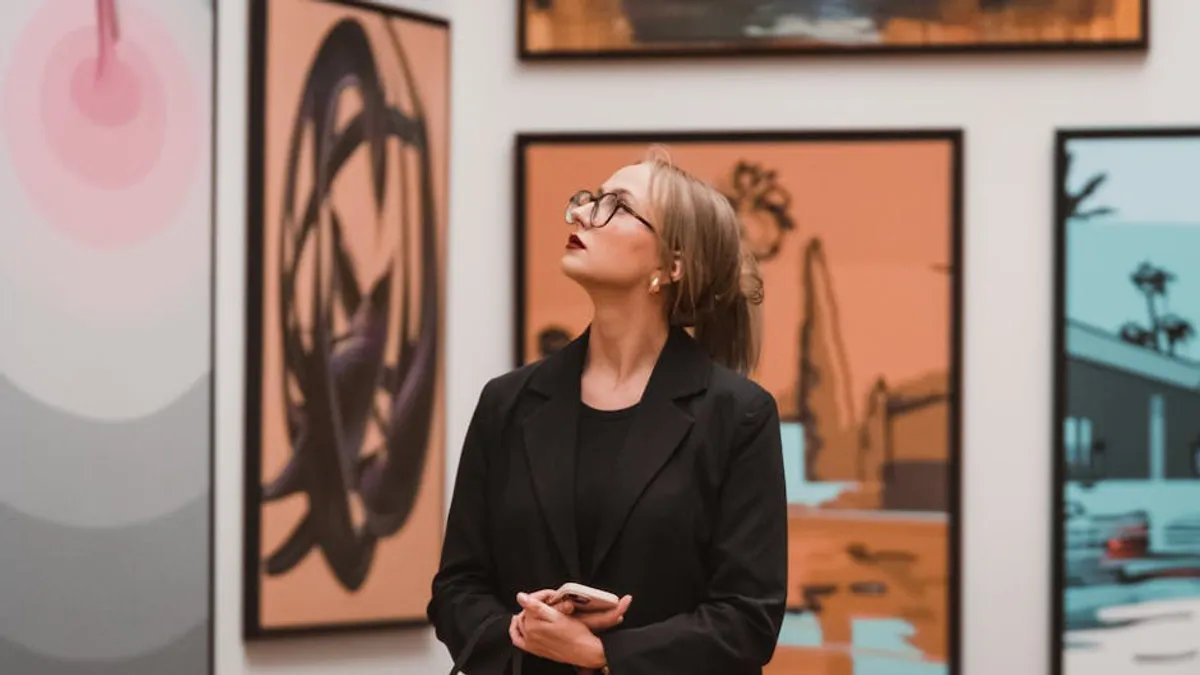
Art is subjective. There is no single "right" way to experience a piece. Spend time in front of works that capture your attention. Observe details: colors, textures, composition, scale, and subject matter. Ask yourself: What story does this piece tell? What emotions does it evoke? What techniques did the artist use? Why might they have chosen this medium? Your personal response is valid and forms a crucial part of the art-viewing experience. Don't be afraid to sit on a bench and simply observe for a few minutes; new details often emerge with sustained attention.
Connecting with Different Art Forms
Galleries exhibit a wide array of art forms. Paintings, sculptures, photographs, installations, and digital art each demand a slightly different approach. For sculpture, consider walking around it to appreciate it from all angles. For installations, pay attention to how the artist uses the entire space and how you, as a viewer, become part of the experience. Photography might invite reflection on perspective and documentation. Embrace the diversity and allow each medium to communicate in its unique way.
Pro Tip: Resist the urge to touch any artwork, even if it appears to be an interactive piece, unless explicitly invited by gallery staff or signage. Oils and dirt from hands can cause irreparable damage over time, and touching can trigger alarms or lead to immediate escort from the premises.
Etiquette and Best Practices
Adhering to gallery etiquette ensures a respectful and pleasant environment for all visitors and protects the artworks.
Respecting the Art and Other Visitors
Maintain a respectful distance from artworks. This protects the piece from accidental contact and allows others to view it without obstruction. Keep voices low, especially in quiet viewing areas. Avoid running or making sudden movements. If visiting with children, ensure they understand these rules beforehand. Silence your phone or set it to vibrate. The gallery is a shared space for contemplation and appreciation, and your actions contribute to the overall atmosphere.
Photography Guidelines
Many galleries permit photography for personal use, but often prohibit flash photography, tripods, or selfie sticks, as flash can damage light-sensitive works and equipment can impede other visitors. Always check the posted signs or ask staff about the gallery's specific photography policy. If photography is allowed, be mindful of others; avoid blocking views or lingering too long to get the perfect shot. Some special exhibitions may have a complete ban on photography to protect copyright or enhance the viewing experience.
Making the Most of Your Visit
Beyond the immediate experience, there are ways to extend your engagement with art and deepen your appreciation.
Post-Visit Reflection and Resources
After your visit, take a moment to reflect on what you saw and felt. Which pieces resonated most? Why? Discuss your experience with companions. Many galleries have gift shops where you can find exhibition catalogs, books, or prints that allow you to revisit the art and learn more. Online, you can often find artist biographies, scholarly articles, and videos related to the exhibitions you saw. This continued engagement can solidify your understanding and foster a lasting interest in art.
Frequently Asked Questions
How long should I spend at an art gallery?
For a first visit, plan for 1 to 2 hours in a medium-sized gallery or exhibition. For larger institutions with multiple wings, you might consider breaking your visit into sections or dedicating half a day. It's better to engage deeply with a few pieces than to rush through everything.
Is it okay to talk while in an art gallery?
Yes, quiet conversation is generally acceptable. However, keep your voice low and be mindful of other visitors who may be seeking a quiet, contemplative experience. Avoid loud discussions or phone calls within exhibition spaces.
Can I bring a bag or backpack into an art gallery?
Many galleries have restrictions on bag size. Large backpacks, oversized purses, or luggage typically need to be checked at a cloakroom or stored in lockers, often for a small fee. Check the gallery's website for specific policies before your visit.
What if I don't "get" the art?
It's perfectly normal not to connect with every piece of art. Art is subjective, and personal taste plays a significant role. Focus on pieces that do resonate with you, and remember that appreciation can grow with exposure and learning. There's no pressure to understand or like everything.