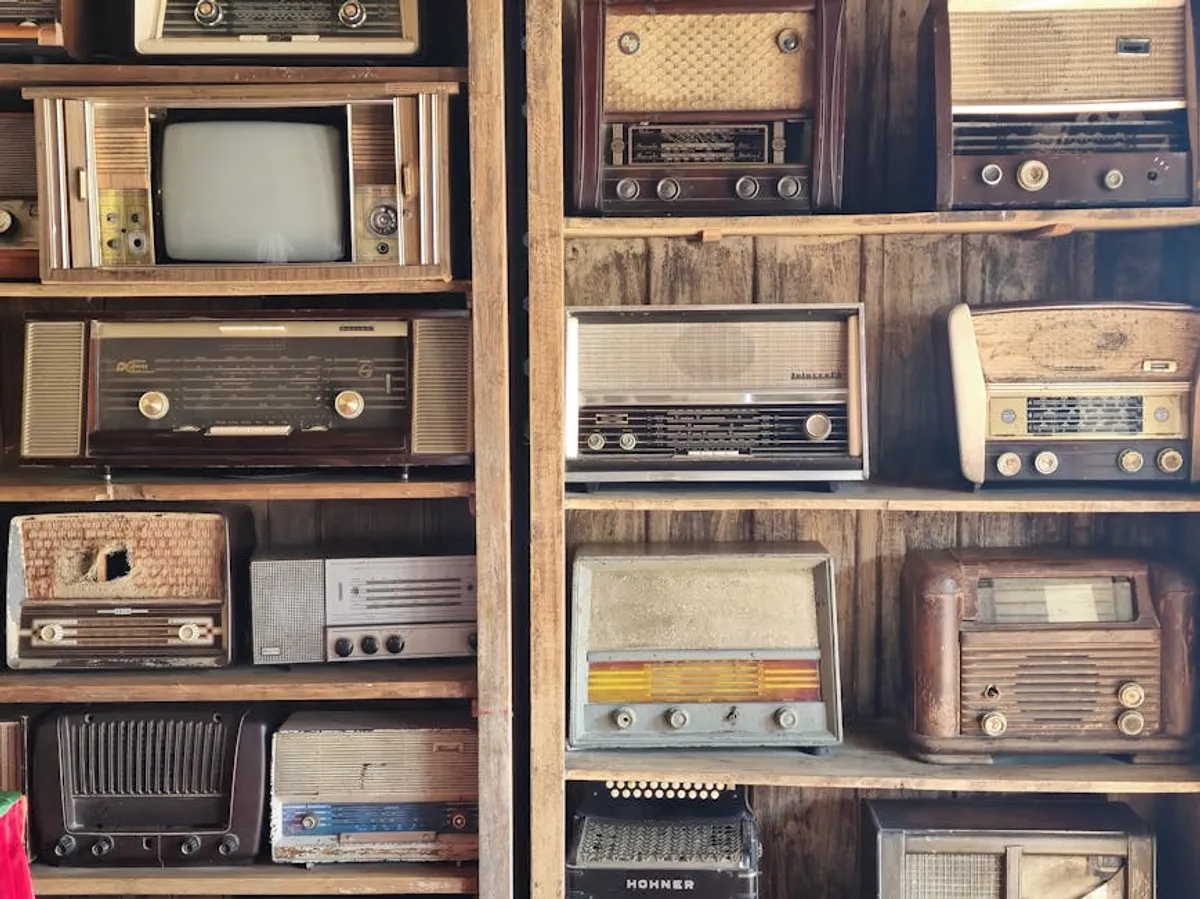
Embarking on antique collecting offers both a journey into history and a potential investment opportunity. For beginners, distinguishing genuine value from mere age requires a structured approach, focusing on research, authentication, and strategic acquisition. This guide outlines the foundational steps to build a meaningful collection, ensuring both personal enjoyment and long-term appreciation of your finds.
Understanding the Fundamentals of Antique Collecting
Defining "Antique" and "Collectible"
The terms "antique" and "collectible" are often used interchangeably, but they carry distinct meanings that impact valuation and market perception. Generally, an item is considered an antique if it is 100 years old or older. This benchmark is widely accepted in the United States and other regions, often influencing customs duties and legal definitions. Collectibles, conversely, are items of interest that are less than 100 years old but still hold value due to rarity, historical significance, or desirability among enthusiasts. Understanding this distinction prevents mislabeling and helps in accurately assessing an item's market position.
Researching Your Interests
Successful antique collecting begins with focused research into specific categories. Rather than broadly seeking "antiques," identify areas that genuinely interest you, such as Art Deco furniture, Victorian jewelry, pre-1950s ceramics, or specific historical documents. This specialization allows for deeper knowledge acquisition, making it easier to spot authentic pieces, identify fakes, and understand market trends. Consult specialized books, historical archives, and reputable online databases to build a knowledge base before making purchases. Knowledge directly correlates with acquisition quality and investment protection.
Setting a Budget
Establish a clear budget before you begin acquiring items. Antique values fluctuate based on condition, rarity, provenance, and current market demand. A defined budget prevents impulsive overspending and guides your search towards attainable pieces. For beginners, starting with mid-range items allows for learning and experience without significant financial risk. Factor in potential restoration costs, insurance, and storage solutions when calculating the overall investment for a piece. Realistic financial planning ensures the hobby remains enjoyable and sustainable.
Where to Find Antiques
Traditional Venues
Traditional sources remain critical for sourcing authentic antiques and gaining direct inspection opportunities.
- Auction Houses: Reputable auctioneers often provide detailed condition reports and provenance information. Attend viewings to examine items firsthand.
- Antique Shops and Malls: These venues offer curated selections, and dealers often possess specialized knowledge. Build relationships with dealers who specialize in your area of interest for access to new inventory and expert advice.
- Estate Sales: Direct sales from private estates can yield unique finds, often at competitive prices. Arrive early for the best selection, and be prepared to negotiate.
- Flea Markets and Garage Sales: While requiring more discernment, these venues can hide undervalued gems. Success here relies heavily on your research and ability to quickly identify potential value.
These environments allow for physical examination, which is crucial for assessing condition and authenticity before purchase.
Online Marketplaces
Online platforms offer unparalleled access to a global inventory of antiques, but they also introduce specific risks. High-resolution images and detailed descriptions are essential, but they cannot fully replicate a physical inspection. Always prioritize sellers with strong reputations, clear return policies, and extensive positive feedback. Request additional photos or video calls to scrutinize details. For high-value items, consider using escrow services or third-party authentication services to mitigate fraud risks. While convenient, online purchases demand heightened due diligence regarding authenticity and condition claims.
Assessing Value and Authenticity
Condition is Key
An item's condition is a primary determinant of its value. Original patina, minor wear consistent with age, and stable structural integrity are generally desirable. However, significant damage, extensive repairs, or alterations can drastically reduce value. Distinguish between desirable age-related wear and detrimental damage. A chipped rim on a rare ceramic piece, for instance, affects value more than a subtle crazing pattern. Always document an item's condition thoroughly, noting any flaws or repairs, before purchase. Originality and minimal intervention typically command higher prices.
Manufacturer Marks and Signatures
Identifying manufacturer marks, signatures, or artist monograms is crucial for authentication and valuation. These markings often provide details about the item's origin, age, and maker. Research specific marks associated with your collecting niche. For example, porcelain marks from specific factories or silversmith hallmarks can pinpoint exact periods and regions. Be aware that fakes often replicate genuine marks imperfectly. Cross-reference any found marks with established reference guides or expert databases to confirm their legitimacy.
Provenance and Documentation
Provenance, the documented history of an item's ownership, significantly enhances its value and authenticity. A clear chain of ownership from the original maker or first owner adds credibility and historical context. Look for accompanying documentation such as original bills of sale, appraisal certificates, exhibition records, or family histories. While not always available, strong provenance can elevate a piece from merely old to historically significant, often commanding a premium in the market.
Pro Tip: When evaluating a potential antique, always bring a small magnifying glass and a portable UV light. The magnifying glass helps in examining manufacturer marks, detecting repairs, or scrutinizing brushstrokes. A UV light can reveal invisible repairs, overpainting, or inconsistencies in materials that are not visible under normal light, providing critical insights into an item's true condition and originality.
Caring for Your Collection
Proper Storage
Maintaining the value of your collection requires appropriate storage conditions. Fluctuations in temperature and humidity are detrimental to most materials, causing wood to warp, metals to corrode, and textiles to degrade. Store items in a stable environment, ideally with controlled temperature and humidity. Avoid direct sunlight, which can fade colors and accelerate material deterioration. Use acid-free materials for wrapping or lining display cases to prevent chemical reactions that can damage delicate surfaces.
Cleaning and Restoration
Approach cleaning and restoration with extreme caution. Improper cleaning can irreversibly damage an antique's patina or surface, significantly reducing its value. Unless you are an expert, avoid aggressive cleaning agents or abrasive materials. For valuable or delicate pieces, consult professional conservators who specialize in your item's material. They can assess the best course of action, from gentle cleaning to extensive restoration, ensuring the item's integrity is preserved. Minimal, reversible intervention is always preferred.
Building Your Collection Strategically
Successful antique collecting is a long-term endeavor that benefits from a strategic approach. Focus on acquiring pieces that resonate with your personal interests while also holding demonstrable market value. Prioritize quality over quantity; a few exceptional pieces often hold more value and appeal than numerous mediocre ones. Continuously educate yourself, attend specialized fairs, and network with other collectors and experts. Consider insuring your collection, especially as its value grows, to protect against loss or damage. Building a meaningful collection is an ongoing process of learning, refinement, and careful stewardship.
Frequently Asked Questions
What is the primary difference between an "antique" and a "vintage" item?
An antique is typically defined as an item 100 years old or older. A vintage item is generally less than 100 years old but usually at least 20-25 years old, valued for its representation of a particular era or style.
How can I get an antique appraised for value?
Seek out a professional appraiser specializing in your item's category. Look for appraisers certified by recognized organizations, who can provide a written appraisal based on market research and condition assessment.
Is it always better to restore an antique?
Not always. Restoration can sometimes decrease an antique's value if not done by a highly skilled professional, or if it removes original patina or alters its historical integrity. Consult a conservator to understand the impact of restoration on value and authenticity.
What are some common pitfalls for beginner antique collectors?
Common pitfalls include impulsive buying without research, overpaying due to a lack of market knowledge, failing to properly authenticate items, and neglecting proper storage and care, which can lead to devaluation.